
Introduction
Who this CPD course is for, what you will learn, and how it works.
This course was created by Dr Campbell Murdoch, an NHS GP with a special interest in metabolic health, and a background in teaching, education, quality improvement, and sports and exercise medicine.
Who is the course for?
This course is for you if you are a qualified healthcare professional who works directly with patients, in primary or secondary care. It will take approximately 30–60 minutes to complete.
What are the outcomes of this course?
By taking this course you will:
- Be able to explain what metabolic health is, to a patient.
- Be able to identify patients with symptoms, signs, and conditions of poor metabolic health.
- Be able to assess patients’ metabolic health using simple measures of insulin resistance.
- Know how to improve metabolic health using the Health Foundations.
How does the course work?
The course is composed of very short lessons. Work through the lessons at your own pace. At the end of the course you will take a short test.
Why metabolic health?
Many common conditions are associated with poor metabolic health. This includes type 2 diabetes, hypertension, fatty liver, heart disease, stroke, cancers, arthritis, polyendocrine metabolic ovarian syndrome (previously known as polycystic ovary syndrome), chronic kidney disease, and many inflammatory conditions. Even degenerative conditions such as dementia and osteoarthritis have close ties with metabolic health. More recently we are discovering poor metabolic health contributes to many mental health conditions. In addition, risk from infections, such as COVID, is increased with poor metabolic health.
Whichever area of healthcare you work in, poor metabolic health will be evident every day. By knowing the fundamentals of metabolic health you will be better equipped to notice it, understand when it is relevant to a patient’s presentation, and be able to offer helpful advice.
Case study: Fed-up, fatigued and struggling to lose weight
A short patient case to keep in mind as you work through the course.
Read this patient case study. It is fictional but based on typical patient experiences. What would you do if Suzie came to see you in clinic?
Suzie sees herself as a healthy person, but over the past two years she has been experiencing more minor ailments. She seems to be getting coughs and colds more frequently, her lower back often aches, especially after a long shift at work, and she has been getting severe headaches.
Her past few months at work have been particularly stressful. They have been a member of staff down and with the extra work she rarely gets home on time. She has become more fatigued and has gained some weight — especially around her waist — that she can’t seem to lose.
A colleague notices Suzie is struggling and encourages her to contact her GP surgery.
A week later Suzie sees her GP and is diagnosed with migraine. Whilst at the appointment her blood pressure is checked and found to be 162/92. She is booked in for blood tests and a telephone appointment to review the results a few days later.
At the review one week later the GP informs Suzie that her blood glucose level is elevated into the prediabetic range. They also note her blood triglyceride level is elevated at 2.4 mmol/L and HDL-cholesterol is a bit low at 0.9 mmol/L. The GP explains to Suzie this is all an indication that she has developed insulin resistance — that her body is at war with itself — then goes on to describe some of the health problems this is associated with.
These results come as a shock to Suzie but she has some small comfort from having an explanation for her symptoms. She reflects on the past couple of years, and thinks… “Could I have seen this coming?”, “What should I do now?”
Pre-course assessment
Twenty questions to test your knowledge before you start, with answers included.
Test your metabolic health knowledge. Record your answers on a piece of paper. The correct answers are at the end of this section.
1. What is metabolic health?
- The rate at which the body expends energy whilst at rest.
- The body’s ability to store, release, and use fuel for energy whilst maintaining homeostasis.
- The chemical processes that happen inside cells.
- The speed at which food transits through the gut.
2. For a person with 5 litres of blood, what is a normal fasting glucose level in grammes or teaspoons?
- About 2.5 g, or half a teaspoon.
- About 5 g, or one teaspoon.
- About 20 g, or four teaspoons.
- About 60 g, or twelve teaspoons.
3. What is an action of insulin?
- It encourages the body to burn more fat.
- It lowers blood glucose.
- It raises blood glucose.
- It is mainly used for weight loss.
4. What is insulin resistance?
- A loss of the body’s ability to make insulin.
- A low insulin level that happens after eating.
- The pancreas’s response to a meal that contains carbohydrate.
- The body’s cells resisting insulin’s instruction to take glucose from the blood.
5. Which conditions are known to be associated with insulin resistance?
- Type 2 diabetes
- Hypertension
- Alzheimer’s dementia
- Polyendocrine metabolic ovarian syndrome
- Ischaemic heart disease
6. Skin tags are a recognised sign of insulin resistance.
- True
- False
7. Which of the following are recognised measures for the assessment of insulin resistance?
- Triglycerides
- Total cholesterol
- Blood pressure
- Blood glucose
- HDL cholesterol
- Waist circumference
- Serum potassium
8. A person with a waist-to-height ratio (waist circumference divided by height) of more than 0.5 may benefit from improving their metabolic health.
- True
- False
9. A personalised approach to improving metabolic health is not necessary because individual biology, psychology and social circumstances are irrelevant.
- True
- False
10. Nutrition has almost no impact on metabolic health.
- True
- False
11. The main three macronutrients are:
- Water, oxygen, and protein.
- Carbohydrate, protein, and fat.
- Water, oxygen, and carbon dioxide.
- Water, oxygen, and carbohydrate.
12. People with insulin resistance should eat large portions of starchy carbohydrates to prevent a significant rise in blood glucose.
- True
- False
13. For the majority of people with insulin resistance it is dangerous not to eat every two to three hours.
- True
- False
14. The types of movement that can help metabolic health include:
- Resistance activity.
- Aerobic (cardiovascular) activity.
- Prolonged periods of sedentary time.
- Regular movement throughout the day.
15. Sleep is beneficial for metabolic health.
- True
- False
16. Over a 24-hour period, how many hours of sleep should most adults aim for?
- 4–5
- 5–6
- 7–9
- 9–11
17. Chronic stress can be improved by criticising yourself and thinking of yourself as a failure.
- True
- False
18. For patients on medication for type 2 diabetes, it may be necessary to review the dosages before making significant dietary changes.
- True
- False
19. Blood pressure can improve as metabolic health improves and antihypertensive medication may need to be adjusted.
- True
- False
20. The physical and mental health benefits of improved metabolic health are usually noticed within days to weeks.
- True
- False
Show answers
1: B · 2: B · 3: B · 4: D · 5: A, B, C, D, E · 6: A (True) · 7: A, C, D, E, F · 8: A (True) · 9: B (False) · 10: B (False) · 11: B · 12: B (False) · 13: B (False) · 14: A, B, D · 15: A (True) · 16: C · 17: B (False) · 18: A (True) · 19: A (True) · 20: A (True)
Why does metabolic health matter?
Why metabolic health matters for your patients, with the benefits and consequences.
Key points
- Poor metabolic health contributes to a very wide range of physical and mental health conditions.
- Insulin resistance is the central feature, leaving the body at war with itself.
- Good metabolic health supports energy, resilience to infection, and a longer healthspan.
- Metabolic health can always be improved, often significantly.
Metabolic health is important for everyone. It is a significant contributor to many patient presentations and illnesses. Addressing metabolic health is essential for good patient outcomes and for a sustainable healthcare service.
Metabolic health is the engine for life
Health requires the ability to store, release, and utilise fuel whilst the body remains in balance and harmony. The ability to do this is determined by metabolic health. Metabolic health can be thought of as the “engine for life”. With good metabolic health all parts of the body work together — like a well-maintained car. In poor metabolic health the body is fighting itself and not functioning well — like a poorly-maintained car. It is important to note that metabolic health can always be improved. For many people it can be improved a lot.
Poor metabolic health is the body at war
Insulin resistance is a central feature of poor metabolic health. With insulin resistance the body struggles to maintain a normal blood glucose level, and more insulin must then be released. Instead of all parts of the body working in harmony, the body is now at war with itself. Patients with poor metabolic health will often agree that it feels like this.
What are the benefits of good metabolic health?
When the body is metabolically healthy it is good at getting energy from food. It can easily put any excess food into fat stores, and then release the stored fat when energy is needed — all whilst staying in a healthy balance (homeostasis). With good metabolic health people are more likely to feel healthy and are less likely to become unwell. They feel energised, awake, alert, clear thinking, and hopeful.
Good metabolic health supports:
- reduced risk of infections, and reduced infection severity
- faster recovery from injury
- reduced risk of a broad range of long-term conditions (including heart disease, dementia, and many more)
- a longer healthspan and lifespan
What are the consequences of poor metabolic health?
People with poor metabolic health may experience feeling tired all the time, lacking energy and energy lows, frequent hunger, general aches and pains, and feeling fed-up or depressed.
Some common signs and conditions are: difficulty losing weight and especially belly fat; skin tags (often on the neck and armpits); acanthosis nigricans (darkening of skin folds); type 2 diabetes; prediabetes; and MAFLD (metabolic-dysfunction associated steatotic liver disease, previously known as NAFLD).
Many other health conditions are associated with poor metabolic health, including: heart disease (ischaemic heart disease, arrhythmias, heart failure); essential hypertension; increased risk of infections including COVID; chronic kidney disease; gout; arthritis (inflammatory and osteoarthritis); tendinopathies; fibromyalgia and chronic pain; polyendocrine metabolic ovarian syndrome; erectile dysfunction; prostatic hypertrophy; some cancers (breast, colon, pancreas); anxiety, depression, bipolar, and schizophrenia; dementia; Parkinson’s disease; and most mental health disorders.
“I had got used to feeling tired and thought my increasing waistline was just the result of getting older. I had been on blood pressure tablets for a few years. Then at my annual check-up the blood test showed I had developed type 2 diabetes. I was shocked. Why had this happened to me? Then, as I learnt about type 2 diabetes and metabolic health I realised I’d had a problem for years. Finally developing type 2 diabetes was like my body’s pressure valve blowing. My mother had died of kidney problems linked to diabetes. With my diagnosis it was time to get control of my health. I had got my wake-up call.” — Mark (patient, 56 years old)
Essential anatomy and physiology of metabolic health
The organs, cells and mitochondria involved in metabolic health.
Key points
- Metabolic health involves the whole body: gut, pancreas, liver, circulation, muscles, fat tissue and brain.
- Skeletal muscle and subcutaneous fat are important healthy stores for glucose and fat.
- Visceral fat is directly harmful and increases waist circumference.
- Cells rely on mitochondria to turn food into energy; metabolism is the sum of these reactions.
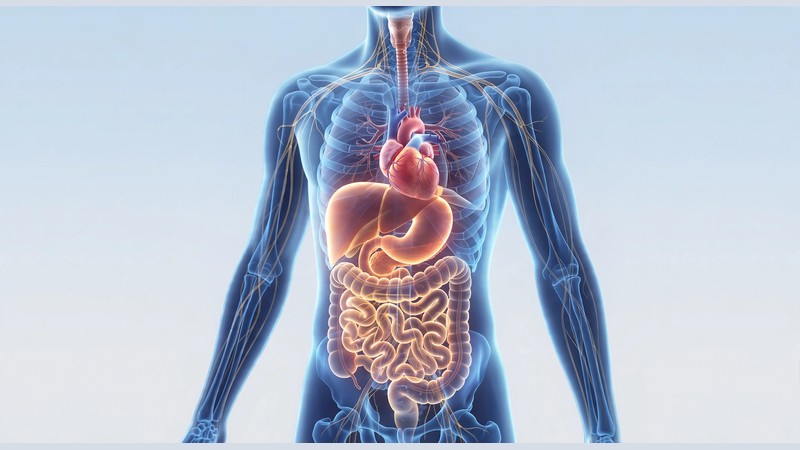
Metabolic health affects the whole body and all organs. The core anatomy is reviewed in this lesson.
Digestive tract
The digestive tract, also known as the alimentary system, starts at the mouth, moves on to the oesophagus, stomach, small intestine, large intestine, and finishes at the anus. As food transits through it, it is digested and the nutrients are absorbed into the blood. The alimentary system also contains a microbiota (trillions of bacteria and fungi, often called the ‘gut microbiome’) which is an area of intense scientific development.
Pancreas
The pancreas sits in the abdomen near to the stomach and liver. It releases digestive enzymes into the digestive tract to aid the breakdown of food. It also releases hormones into the blood, including insulin, which supports the storage, release, and utilisation of macronutrients.
Liver
The liver sits at the top right of the abdomen. It is the body’s main chemical processing factory. Its duties include removal and breakdown of harmful substances, and conversion of food into substances the body needs. It also makes and stores glucose, then releases that glucose when needed, and turns excess glucose into fat.
Circulatory system
An average adult has about five litres (eight pints) of blood, held in a network of arteries, veins, and capillaries. The heart pumps the blood around the body. The portal system takes blood from the digestive tract directly to the liver, which can then process incoming digested food before it is released into the wider body.
Muscles
Muscles are distributed throughout the body and create movement. Skeletal muscles include the large muscles of the arms, legs, and buttocks. These large muscles play an important role in removing excess glucose from the blood. Big healthy muscles that are used frequently can store and use a lot of glucose. When exercising, skeletal muscles release myokines (chemical messengers) which exert an anti-inflammatory effect.
Adipose tissue
Adipose (fat) tissue is the main storage site of fat. There are two main types: subcutaneous and visceral. Subcutaneous adipose tissue is the body’s healthy fat store — the fat under the skin. Where there is spare capacity it can take in more fat if needed, hold on to it, and release just the right amount back into the blood when the body needs energy. Visceral adipose tissue sits inside the abdomen; increased visceral fat strongly correlates with poor metabolic health and is directly harmful, including through increased inflammation, and increases waist circumference.
Brain
The brain plays a central role. The hypothalamus can be considered the master regulator of the body. It continuously monitors the internal environment, such as the blood glucose level, and creates change throughout the body via the nervous system and endocrine (hormone) system. The brain is also intricately involved in behaviours such as food choices and physical activity.
Cells, mitochondria and metabolism
There are approximately 37 trillion cells that make up the body, each collaborating to create organs and specialising depending on the organ they are in. Inside cells there are organelles. Mitochondria are one type of organelle; their main task is to create ATP, the energy currency of the cell. Cells that are very metabolically active have more mitochondria — for example, a liver cell has 1,000–2,000. Health is very dependent on mitochondria: healthy mitochondria = healthy body. Inside cells, trillions of chemical reactions continuously convert food into useful molecules — being broken down (catabolism), rearranged, and built up (anabolism). The word used to describe all these chemical reactions is metabolism.
Homeostasis, blood glucose and insulin resistance
How the body keeps blood glucose stable, and how insulin resistance develops.
Key points
- Blood glucose is kept in a very narrow range, about one teaspoon across all five litres of blood.
- Glucose comes from food (plants) and from the liver.
- Insulin lowers blood glucose and also stores fat.
- Insulin resistance means cells stop responding to insulin, so more is needed and fat storage rises.
The body’s ability to maintain stability in an ever-changing world is essential for survival. This adjustment and stability is known as homeostasis.
homeostasis, any self-regulating process by which biological systems tend to maintain stability while adjusting to conditions that are optimal for survival. If homeostasis is successful, life continues; if unsuccessful, disaster or death ensues. (Encyclopedia Britannica, 8 Apr. 2022)
There are multiple homeostatic processes — for example, regulation of body temperature, fluid balance, and blood glucose. The ability to keep blood glucose stable is of central importance and must be kept within a very narrow range. A normal blood glucose level, after fasting for 8 hours, is approximately 4–5.5 mmol/L.
Where does the glucose in our blood come from?
Plants. Plants make glucose and may join it with other simple sugars to make disaccharides such as sucrose, and into long chains (complex carbohydrates) called starch and fibre. When we eat digestible carbohydrate the gut breaks it down into free glucose, which is absorbed into the blood, raising the blood glucose level.
Liver. Glucose can also come from the liver, which can make and store glucose. If we haven’t eaten sugar or starch for a short period, the liver releases glucose into the blood. Thus it is possible for humans to live without eating any sugar or starch.
There should only be about 4 to 5 grammes (1 teaspoon) of glucose in all five litres of blood. Too little or too much glucose in the blood can be extremely harmful — potentially fatal. To maintain homeostasis the body uses insulin to lower the blood glucose level.
Insulin
Insulin is a hormone — a chemical messenger that travels in the blood and gives instructions to other body parts. It is made in the pancreas. When the pancreas senses too much glucose in the blood it releases insulin, which instructs cells (liver, muscles, and fat tissue) to reduce blood glucose, and tells the liver to stop making glucose. Insulin also plays a very important role in building up the body’s fat stores — it can be thought of as a fat-storage hormone.
Insulin resistance
Insulin resistance is a core feature of poor metabolic health. It means the cells in the body are not “listening” or responding to insulin’s message — they are resisting it. Cells become insulin resistant when they don’t want to take glucose in, usually because they are already filled with enough fuel or are unable to utilise it. It is a cell’s attempt to protect itself from excess fuel.
With insulin resistance the body has to fight harder to maintain just one teaspoon of glucose in five litres of blood. The pancreas releases larger amounts of insulin whenever sugar or starch are eaten. Insulin resistance combined with high blood insulin means the body is at war with itself. The high blood insulin level also drives the body into fat storage mode: insulin instructs the body not to burn fat; instructs the liver and fat tissues to turn glucose into fat; and instructs the fat stores to hold on to fat and get bigger. This is responsible for many aspects of poor metabolic health, including difficulty losing weight. Fortunately, it is possible to measure and improve insulin resistance and metabolic health.
Assessing metabolic health
Four simple, testable measures of insulin resistance, and their healthy ranges.
Key points
- Four measures: waist circumference, blood glucose, blood lipids (triglycerides and HDL-cholesterol), and blood pressure.
- A waist-to-height ratio under one half suggests good metabolic health.
- Assess all measures together, as insulin resistance shows up differently in different people.
- Note the special considerations, such as fasting requirements and diabetes medication.
Insulin resistance causes many changes in the body. A few decades ago, scientific researchers — including Professor Gerald Reaven — clarified some measures of insulin resistance that are easy to test for:
- waist circumference
- blood glucose
- blood lipids (triglycerides and HDL-cholesterol)
- blood pressure
The measures vary between people. For example, insulin resistance will cause high blood pressure in some people whilst in others blood pressure may be perfect. But by assessing all the measures it is possible to get a reasonable insight into a person’s level of insulin resistance.
Waist circumference
Waist circumference should be measured halfway between the anterior-superior iliac spine and the lower rib. For most people this is approximately 2 cm above the belly button. (Trouser size is not waist circumference.) What is deemed healthy varies by body type, sex, and ethnicity, so the waist-to-height ratio may be a more reliable indicator. Generally, for health a person’s waist circumference should be less than half their height; more than half may indicate insulin resistance. Insulin resistance and high blood insulin cause increased fat to build up inside and on the abdomen, increasing waist circumference.
Blood glucose
Glucose is the sugar in blood. It comes from food and is also made in the liver. For an accurate reading it is very important to measure after a period of fasting — no food or calorie-containing drinks for 8 to 10 hours prior. A normal fasting blood glucose is approximately 4 to 5.5 mmol/L. A level of 5.6 or over could indicate insulin resistance; above 7.0 could indicate diabetes. It increases with insulin resistance because the liver releases too much glucose and the body does not easily remove it.
Special considerations: fasting glucose can increase with exercise and stress. A fasting glucose of 7.0 or more could indicate diabetes and needs formal assessment; 11.0 or more in someone not known to have diabetes requires an urgent same-day assessment. For people with type 1 diabetes, blood glucose is not a useful indicator — use the most recent HbA1c in % units instead. For people with type 2 diabetes on medication, insulin resistance exists whatever the reading.
Blood lipids
Blood lipids are fats in the blood. A blood lipid test typically gives triglycerides, HDL-cholesterol, LDL-cholesterol, and total cholesterol. It is triglycerides and HDL-cholesterol that indicate insulin resistance.
Triglycerides are a type of fat and a main source of fuel, coming from food and made by the liver from excess sugar. The vast majority should be stored in fat tissue with only a small amount in the blood; fast before testing. A level less than 1.7 mmol/L is normal, and less than 1.3 mmol/L (or lower) is ideal. It increases with insulin resistance because the liver creates and releases more, and the fat stores struggle to remove it and constantly ‘leak’ fat into the blood. A fasting level above 5.6 is very high; triglycerides can also be high due to genetics, alcohol, and pancreatitis.
HDL-cholesterol is cholesterol that is part of a High Density Lipoprotein particle. A higher level indicates better health: for males it should be 1.0 mmol/L or greater, and for females 1.3 mmol/L or greater. It decreases with insulin resistance because a high insulin level reduces its production in the liver.
Blood pressure
Two measures are taken: systolic (the higher reading, when the heart squeezes and pumps blood out) and diastolic (the lower reading, when the heart relaxes between beats). Blood pressure is reported as systolic over diastolic — for example 124/76. Measure after at least a few minutes of calm, and recheck a few times if needed. A blood pressure of less than 130/85 is normal, and less than 120/80 is ideal. In healthcare it is categorised as: ideal (<120 and <80), normal (<130 and <85), high-normal (130–139 or 85–89), grade 1 hypertension (140–159 or 90–99), grade 2 (160–179 or 100–109), and grade 3 (above 179 or above 109). It increases with insulin resistance because the small muscles surrounding blood vessels cannot relax (so vessels squeeze harder) and because a high insulin level alters kidney function.
How to improve metabolic health
Using the four Health Foundations to improve insulin resistance.
Key points
- Four Health Foundations: Nutrition, Movement, Sleep and Mindset.
- Each has factors that worsen insulin resistance and factors that improve it.
- Take a personalised, person-centred approach; there is no one size that fits all.
- Improvements can be significant and often rapid.
Insulin resistance and metabolic health are very dependent on lifestyle and behaviours. Nutrition, movement, sleep, and mindset — the Health Foundations — have a large influence. Making improvements can make a significant and often rapid difference.
Important
When applying these lifestyle factors with a patient, take a person-centred and personalised approach. The ideal approach needs to take into account the individual’s physiological, psychological, and social factors, and will achieve short- and longer-term improvement with measurable results.
Nutrition Health Foundation
Nutrition refers to what, when, and how much a person eats and drinks. There is no one-size-fits-all and no good or bad — but there are helpful and unhelpful choices.
Factors that can worsen insulin resistance: sugar (all added sugar; a large fructose intake may be particularly problematic); sugary drinks; ultra-processed foods; refined carbohydrate (flour products, white rice, many breakfast cereals); excessive fat (a sudden large intake increases insulin resistance for 12–24 hours); and frequent snacking.
Factors that can improve insulin resistance: real food (unprocessed or minimally processed); adequate protein (supports growth, maintenance, repair, and satiety); intermittent fasting / time-restricted eating (e.g. 16:8); personalising carbohydrate to the individual; and adequate hydration.
Movement Health Foundation
Movement includes physical activity or exercise, but daily general activity also counts.
Factors that can worsen insulin resistance: being sedentary (prolonged periods without moving whilst awake); and over-training (excessive exercise is a stressor, worsened by inadequate rest).
Factors that can improve insulin resistance: regular movement (move for one or two minutes every hour or so — even pottering around); resistance activity (challenge the big muscles once or twice a week; muscles release anti-inflammatory chemicals); and aerobic (cardiovascular) activity.
Sleep Health Foundation
The quality and quantity of sleep is important. Sleep is essential for repair, recovery and restoration, and plays a central role in the control of hormones and blood glucose.
Factors that can worsen insulin resistance: alcohol; late screen time (distraction, mental stimulation, blue light); late caffeine (blocks adenosine, a promotor of sleep); late eating (keeps the sympathetic nervous system active for 3–6 hours); and late intensive exercise.
Factors that can improve insulin resistance: adequate time (most adults need 7–9 hours; “prioritise sleep, but don’t worry about it”); regular timing; a pre-bed wind-down; and a morning routine that uses daylight to set the body clock.
Mindset Health Foundation
Mindset means the way of thinking, beliefs, and how someone responds to information and events. It can contribute to chronic stress, which increases insulin resistance.
Factors that can worsen insulin resistance: being an outsider; social isolation; disempowering focus (dwelling on negative events you cannot control); and judgement of self.
Factors that can improve insulin resistance: connect (with people who share your goals and values); influence (focus on what you can influence, for a greater sense of control); notice (recognise when your actions achieve a beneficial outcome); and helpful coping strategies. Unhelpful coping strategies (such as alcohol and drugs) may help in the moment but risk making tomorrow worse; helpful strategies — like going for a walk or speaking with a friend — reduce stress without harming long-term health.
Medical considerations
Key safety points to consider when helping patients improve metabolic health.
Key points
- Diabetes medication (insulin, sulfonylureas, meglitinides, flozins) often needs adjusting as insulin resistance improves.
- Anti-hypertensives and warfarin may need review during dietary change.
- Ask about eating disorders before discussing nutrition.
- Stay alert to new or worsening conditions, including unexpected weight loss.
The aim of improving metabolic health is to improve total health and wellbeing. Lifestyle changes are generally safe. However, there are some important medical considerations.
Diabetes medication
People with type 1 diabetes, and those with type 2 diabetes on medication, will often need medication doses adjusted as insulin resistance improves. This practical article from the British Journal of General Practice can help clinical decisions. Failure to appropriately adapt doses of insulin, sulfonylureas, and meglitinides could lead to hypoglycaemia. In addition, NICE recommends flozins (SGLT2-inhibitors) should be stopped when someone adopts a very low carbohydrate diet.
Anti-hypertensive medication
Blood pressure often improves as insulin resistance improves. When making significant dietary changes, patients taking anti-hypertensives should monitor their blood pressure. Medication may need to be reduced.
Warfarin
Any dietary change can alter the effect of warfarin. INR monitoring may need to be more frequent during dietary change.
Eating disorders
Nutrition is often of central importance, but there should be caution about creating or worsening an eating disorder. Eating disorders are common and some patients may not have disclosed one. It is important to enquire directly before discussing nutrition, and where necessary specialised support is advisable.
New or worsening health conditions
Be aware of new or worsening health conditions. A patient may have a weight-loss goal, but be alert to excessive or unexpected weight loss. New diseases and illness can still occur whilst someone is improving their metabolic health — there are cases of improving lifestyle and weight loss masking the presentation of a new cancer. For people with prediabetes or type 2 diabetes, weight loss that coincides with an increase in blood glucose (HbA1c) should raise suspicion of pancreatic cancer.
Case study: What happened to Suzie?
How Suzie's story develops once her doctor discusses metabolic health.
Suzie’s doctor decided to have a brief conversation with her about metabolic health and how to improve it. Suzie was shocked and surprised when her doctor told her she had developed prediabetes and high blood pressure. At first she didn’t really know what it all meant. However, the doctor recognised the importance of providing honest hope, and briefly explained what metabolic health was.
“Your body is at war with itself at the moment. It is fighting to keep your blood sugar level normal. The high blood pressure, your increased waist-size, the high blood fat [triglyceride] level, the low HDL-cholesterol level, and the high blood glucose all confirm that you have developed what is called insulin resistance. This might be a reason why you haven’t felt so well recently. The good news is, now that we know what is happening we can do something about it.”
Suzie was quite relieved to hear there was a likely explanation for how she had been feeling. She enquired about what she could do to help. Her doctor explained:
“Making enjoyable lifestyle changes is the most important action you can take. With the right changes people will often see dramatic and rapid improvements in their health. Typically within 2–4 weeks people notice they feel a lot better and blood sugar and blood pressure will be improving. The biggest complaint I’ve had is from a patient that had to go and buy a new wardrobe of clothes because their old clothes became too big.”
Suzie felt a glimmer of excitement, then wondered if the lifestyle changes would suit her. The doctor responded positively:
“What makes the biggest difference is changes to what we eat and drink, together with movement, sleep and our mindset. Everyone is different in what suits them and how much change they want to make and need to make.”
Suzie’s doctor then gently enquired if she had ever had an eating disorder. Suzie reported she is sometimes a bit over-conscious of what she eats, but hadn’t ever experienced a problematic eating disorder. So the doctor continued:
“Here is a list of factors that can worsen or improve insulin resistance and metabolic health. Have a look at this list. Think about what changes you would like to make first. Changing what we eat often has the biggest impact, but don’t underestimate the importance of some daily physical activity, trying to improve sleep, and where possible reducing stress. What do you think?”
Suzie and her doctor then spent five minutes developing an action plan. Suzie decided she would start by cutting out sugar and ultra-processed foods. She also decided now was the time to prioritise her sleep and committed to speaking to her employer about addressing her late finishes. They agreed to review her progress in four weeks, with an open invitation to get in touch if there were any problems in the meantime.
Four weeks later Suzie and her doctor met. Suzie reported the initial two weeks were quite tough as she had struggled with sugar cravings and had to rethink what she had for lunch. But she persevered. By the third week she had experienced a notable reduction in her waistline and some longstanding bloating had significantly improved. Her energy levels had increased, she was feeling much more cheerful, and her headaches had disappeared. Her blood pressure had improved to 142/82. Her doctor explained:
“With your blood pressure improvement and the notable reduction in your waistline we know your metabolic health is improving. I’m also really pleased you are feeling better and your migraines seem to have stopped. Congratulations! You have done the hard work. Keep going! Then in two months book in for a blood test and we can recheck your blood sugar level, triglycerides and HDL-cholesterol. By keeping up your enjoyable lifestyle choices I’m confident you will have got your blood sugar level back to normal and your blood pressure will likely be even better.”
Suzie was amazed about the difference she had made to her health in just four weeks. She was excited about where she would be in another two months. She had got her health and life back.
Re-test your metabolic health knowledge
Take the end-of-course test and see how your understanding has grown.
You have now completed all the lessons in this Fundamentals of Metabolic Health for Healthcare Professionals course. The course learning outcomes were to be able to explain what metabolic health is to a patient; identify patients with symptoms, signs and conditions of poor metabolic health; assess patients’ metabolic health using simple measures of insulin resistance; and know how to improve metabolic health using the Health Foundations.
Now take the end-of-course re-test. The questions are the same as the pre-course assessment — see how your understanding has grown.
Go to the assessment questions
Show answers
1: B · 2: B · 3: B · 4: D · 5: A, B, C, D, E · 6: A (True) · 7: A, C, D, E, F · 8: A (True) · 9: B (False) · 10: B (False) · 11: B · 12: B (False) · 13: B (False) · 14: A, B, D · 15: A (True) · 16: C · 17: B (False) · 18: A (True) · 19: A (True) · 20: A (True)
Bibliography
The scientific literature that informs this course.
Some of the scientific literature that informs this course:
- Alberti KG, Eckel RH, Grundy SM, et al. Harmonizing the metabolic syndrome: a joint interim statement. Circulation. 2009;120(16):1640-5.
- Billman GE. Homeostasis: The Underappreciated and Far Too Often Ignored Central Organizing Principle of Physiology. Front Physiol. 2020;11:200.
- Brown A, McArdle P, Taplin J, Unwin D, et al. Dietary strategies for remission of type 2 diabetes: A narrative review. J Hum Nutr Diet. 2022;35(1):165-78.
- Browning LM, Hsieh SD, Ashwell M. A systematic review of waist-to-height ratio as a screening tool… 0·5 could be a suitable global boundary value. Nutr Res Rev. 2010;23(2):247-69.
- Caselli C, De Caterina R, Smit JM, et al. Triglycerides and low HDL cholesterol predict coronary heart disease risk in patients with stable angina. Sci Rep. 2021;11(1):20714.
- Department of Health and Social Care. Physical Activity Guidelines: UK Chief Medical Officers’ Report. London, UK; 2019.
- Hu Y, Zhu Y, Lian N, et al. Metabolic Syndrome and Skin Diseases. Front Endocrinol (Lausanne). 2019;10:788.
- Jamshed H, Steger FL, Bryan DR, et al. Effectiveness of Early Time-Restricted Eating for Weight Loss, Fat Loss, and Cardiometabolic Health in Adults With Obesity: A Randomized Clinical Trial. JAMA Intern Med. 2022;182(9):953-62.
- Jayedi A, Zeraattalab-Motlagh S, Jabbarzadeh B, et al. Dose-dependent effect of carbohydrate restriction for type 2 diabetes management… Am J Clin Nutr. 2022;116(1):40-56.
- Lopez P, Taaffe DR, Galvão DA, et al. Resistance training effectiveness on body composition and body weight outcomes… Obes Rev. 2022;23(5):e13428.
- Merz KE, Thurmond DC. Role of Skeletal Muscle in Insulin Resistance and Glucose Uptake. Compr Physiol. 2020;10(3):785-809.
- Monteiro CA, Cannon G, Levy RB, et al. Ultra-processed foods: what they are and how to identify them. Public Health Nutr. 2019;22(5):936-41.
- Petersen MC, Shulman GI. Mechanisms of Insulin Action and Insulin Resistance. Physiol Rev. 2018;98(4):2133-223.
- Reaven G. Insulin resistance and coronary heart disease in nondiabetic individuals. Arterioscler Thromb Vasc Biol. 2012;32(8):1754-9.
- Reaven G. Banting lecture 1988. Role of insulin resistance in human disease. Diabetes. 1988;37(12):1595-607.
- Wade DT, Halligan PW. The biopsychosocial model of illness: a model whose time has come. Clin Rehabil. 2017;31(8):995-1004.